
NEWS
🚨 BREAKING NEWS: Iran Says Its Air Defenses Are Still Firing Despite Heavy Pressure From Israel and America 🚨

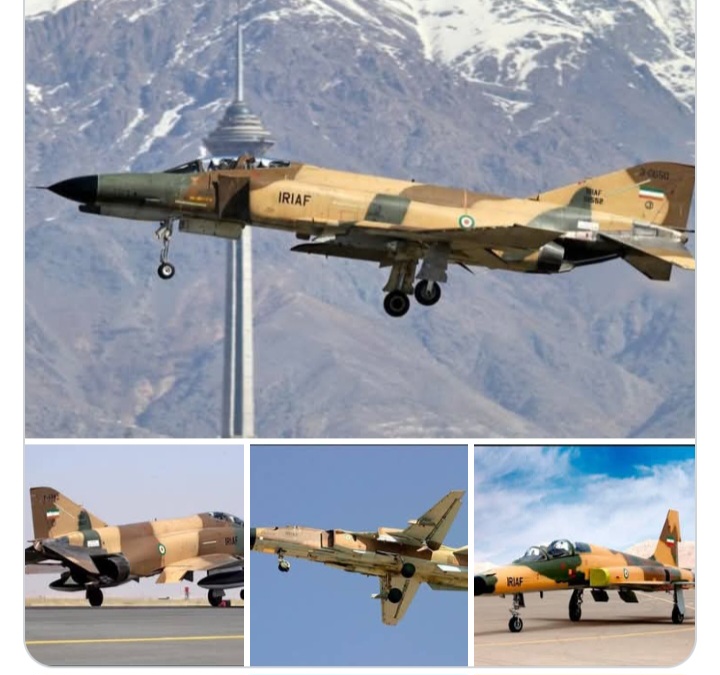
BREAKING NEWS: Iran Declares Its Air Defense Still Active as Warplanes from Israel and the U.S. Continue Threats in the Sky
TEHRAN — In a dramatic escalation of the ongoing Middle East conflict, Iranian military officials have declared that the country’s air defense network remains fully operational and actively engaging threats from both Israel and the United States, despite waves of airstrikes targeting military infrastructure across the country.
Iran’s armed forces said in a statement late Sunday that their radar systems, missile batteries, and interceptor units are still detecting and confronting hostile aircraft, drones, and missiles attempting to penetrate Iranian airspace. The announcement comes as the region braces for the possibility of a prolonged and expanding conflict between Tehran and its powerful adversaries.
The latest confrontation follows the launch of Operation Lion’s Roar, a coordinated strike campaign launched on February 28 by Israel with reported support from the United States. The operation targeted military facilities, missile sites, and strategic infrastructure inside Iran, including locations near Tehran and other major cities.
Despite the intensity of the bombardment, Iranian officials insist their defenses are far from crippled.
“We are still in the fight,” an Iranian military spokesperson said during a televised briefing in Tehran. “Our air defense network continues to detect, track, and engage hostile aircraft and drones attempting to violate the sovereignty of the Islamic Republic of Iran.”
Radar Screens Still Alive
According to Iranian authorities, multiple air defense systems across the country—including long-range radar installations and missile defense units—remain active. These systems have reportedly been intercepting incoming threats while guiding Iranian retaliatory strikes.
Military analysts say Iran has spent years building a layered air defense network designed to survive heavy attacks. Even after several radar installations and launch sites were hit during the first days of the conflict, parts of the network appear to have remained intact.
Recent reports indicate that Israeli pilots conducting early strike missions faced significant risks from Iranian defenses, suggesting that at least some air defense systems were quickly restored or never fully destroyed.
“This is not an airspace that has been completely cleared,” one defense expert noted. “Iran still has the ability to contest the skies.”
Waves of Missiles and Drones
The conflict has not been limited to defensive measures. Iranian forces say they have launched waves of missiles and drones against U.S. and Israeli targets across the region as part of their retaliation.
Iran’s Islamic Revolutionary Guard Corps claimed responsibility for firing large numbers of missiles—including the Khorramshahr-4, Kheibar, and Fattah missile systems—toward military targets associated with the United States and Israel.
Officials in Tehran say the attacks are part of a broader campaign aimed at deterring further strikes.
“The aggression against Iran will not go unanswered,” the statement said. “Any aircraft or missile threatening our territory will be engaged.”
Regional Skies Turn into a Battlefield
Across the Middle East, air defenses and fighter jets from several countries have been placed on high alert. Missile launches, drone swarms, and interception attempts have been reported in multiple countries as the conflict spills beyond Iran’s borders.
Regional governments fear the fighting could spiral into a much wider war involving additional allies and proxy forces. Analysts warn that continued air combat between Iran and its adversaries could disrupt international shipping routes, energy supplies, and air travel across the region.
Experts observing the conflict say that while the United States and Israel maintain some of the most advanced air forces in the world, Iran’s strategy appears focused on resilience and persistence rather than immediate dominance.
Rather than relying on a single defensive shield, Iran has reportedly dispersed its radar stations, missile launchers, and command centers to reduce the risk of total destruction.
A War Far From Over
For now, both sides appear determined to continue the confrontation.
American and Israeli officials claim their strikes have significantly weakened Iran’s military capabilities, but Tehran rejects those claims, insisting its defensive systems remain functional and ready for battle.
With air defenses still firing and missiles still launching, the skies over the Middle East remain one of the most dangerous battle zones in the world.
As one Iranian commander warned in his closing remarks:
“This war in the air is not finished. Our defenses are still awake, our radars are still watching, and any enemy that enters our skies will be met with fire.”

🚨 BREAKING NEWS: Iran Says Its Air Defenses Are Still Firing Despite Heavy Pressure From Israel and America 🚨

BREAKING NEWS: Polling Data Suggests Kamala Harris Could Be America’s Next Leader

BREAKING NEWS: Fans Shocked as Serena Williams’ Dramatic Weight Loss Sparks Global Concern — “What Happened to the Tennis Legend?”

BREAKING NEWS: famous tennis greatest player Serena Williams Considers Family First but Says Retirement Is Not Happening Anytime Soon 🎾👨👩👧👧

BREAKING NEWS: famous tennis greatest player Serena Williams Proudly Reveals Her Beautiful Family to the World and Media 👨👩👧👧✨

BREAKING NEWS: Serena Williams’ Youngest Daughter Sparks Buzz as Fans Say a New Tennis Legacy May Be Beginning 🎾🔥

BREAKING NEWS: Global War Fears Rise as United States Intensifies Powerful Military Strikes on Iran 🚨🌍

BREAKING NEWS: China Warns United States It May Join War if Attacks on Iran Continue ⚠️🌍🔥

BREAKING NEWS: Donald Trump Says U.S. Ready to Fight Until September as Iran Refuses to Back Down in Escalating War 🚨🌍⚔️

BREAKING NEWS: Kim Jong Un warns North Korea may join war if its citizens in Iran are harmed

BREAKING NEWS: Trump Administration Unveils Nationwide Voter ID Proposal – The Trump administration plans a sweeping national law requiring all voters to present government-issued identification for every election in all 50 states. Supporters say it ensures election integrity, while critics warn it could suppress votes and disproportionately affect marginalized communities.
