
CELEBRITY
BREAKING NEWS: Kim Jong Un Rolls Out Lavish Red Carpet for Alexander Lukashenko as Sanctioned Nations Strengthen Powerful New Alliance

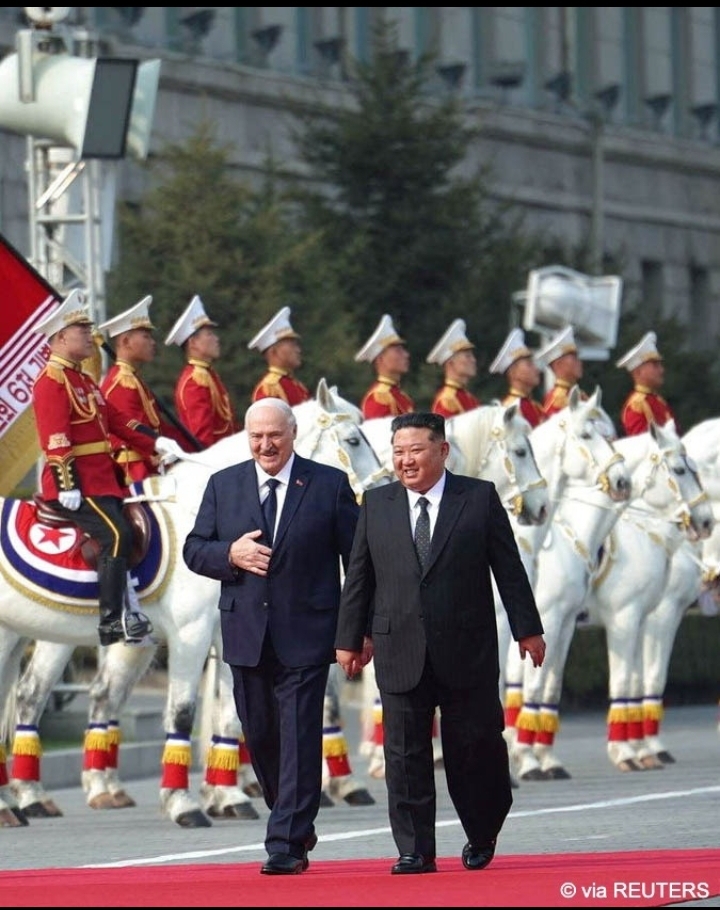
BREAKING NEWS: Lavish Welcome in Pyongyang as Kim Jong Un Hosts Alexander Lukashenko Amid Growing Alliance
In a striking display of political theater and strategic alignment, North Korea staged an elaborate स्वागत ceremony for Belarusian President Alexander Lukashenko, who arrived in the capital city of Pyongyang for high-level talks with leader Kim Jong Un. The grand reception, marked by military parades, cultural performances, and carefully choreographed pageantry, underscored the growing ties between two nations facing heavy international sanctions.
The visit, widely seen as politically significant, comes at a time when both North Korea and Belarus are seeking to deepen alliances outside Western influence. Observers say the meeting highlights a mutual effort to strengthen economic, military, and diplomatic cooperation in the face of ongoing isolation from much of the global community.
State media in North Korea broadcast images of Lukashenko’s arrival, showing him being greeted with full honors, including a red carpet welcome, a military band performance, and large crowds waving flags of both nations. Standing side by side, Kim Jong Un and Lukashenko appeared relaxed and smiling, projecting a sense of unity and shared purpose.
During the ceremony, Kim praised the “enduring friendship” between the two countries, emphasizing their common stance against what he described as external pressure and interference. Lukashenko, in turn, expressed gratitude for the warm reception and highlighted the importance of cooperation between “sovereign nations resisting unjust sanctions.”
Analysts believe the visit signals a deliberate effort by both governments to showcase solidarity and explore new avenues of collaboration. With both nations facing economic restrictions imposed by Western powers, strengthening bilateral ties could offer opportunities for trade, resource sharing, and technological exchange.
While specific agreements have not yet been publicly detailed, officials hinted at discussions involving industrial cooperation, agricultural support, and potential military collaboration. Experts warn that any expansion of defense-related ties could draw scrutiny and concern from the international community.
“This is more than just a ceremonial visit,” one geopolitical analyst noted. “It reflects a broader strategy by both leaders to build partnerships that help them withstand external pressure and maintain internal stability.”
The optics of the visit were unmistakable. Streets in Pyongyang were decorated with banners celebrating friendship and unity, while synchronized performances by thousands of participants added to the spectacle. The carefully managed images served not only to honor the visiting leader but also to reinforce domestic narratives of strength and global relevance.
For Kim Jong Un, hosting a foreign leader in such a grand fashion reinforces his position on the world stage, demonstrating that North Korea is not as isolated as often portrayed. For Lukashenko, the visit provides an opportunity to diversify Belarus’s international relationships amid strained ties with Europe and the United States.
Critics, however, argue that the meeting raises questions about the nature of cooperation between the two governments. Human rights organizations and Western officials have long criticized both regimes, and closer ties between them are likely to intensify concerns.
Despite the criticism, both leaders appear determined to move forward. Their public statements emphasized mutual respect, shared challenges, and a commitment to strengthening their partnership in the years ahead.
The visit also reflects a shifting geopolitical landscape, where countries under sanctions increasingly look toward one another for support. As traditional alliances evolve, new partnerships—often driven by necessity—are emerging in unexpected ways.
As Lukashenko’s visit continues, attention will turn to the outcomes of his meetings with Kim Jong Un and whether concrete agreements will follow the symbolic displays. For now, the lavish استقبال in Pyongyang has sent a clear message: both nations are intent on deepening ties and presenting a united front on the global stage.
Whether this alliance will translate into lasting economic or strategic gains remains to be seen, but the images from Pyongyang have already made a powerful statement about shifting alliances in an increasingly complex world.

BREAKING NEWS: King Charles Praises UK-Nigeria “Partnership of Equals” During President Bola Tinubu’s Historic London Visit, Highlighting Deepening Trade, Cultural Ties, and Shared Vision for Collaboration, Signaling a New Era of Mutual Respect and Strategic Cooperation Between Both Nations

BREAKING NEWS: NASA Shocks World, Ditches Lunar Orbit Station to Build Permanent Moon Base, Racing Against China and Russia in High-Stakes Space Showdown That Could Redefine Humanity’s Future Beyond Earth Forever

BREAKING NEWS: Kim Jong Un Rolls Out Lavish Red Carpet for Alexander Lukashenko as Sanctioned Nations Strengthen Powerful New Alliance

BREAKING NEWS: Shocking Arson Attacks on Jewish Charity Ambulances Lead to Arrest of Two Suspects, Sparking Outrage and Fears Over Targeted Violence

🚨 BREAKING NEWS: Hakeem Jeffries Claims Americans Are Ready to Abandon MAGA — Sparks Fierce Political Showdown with Donald Trump Allies Nationwide

🚨 BREAKING NEWS: GLOBAL SHOCK AS ALLEGED PRIVATE PHOTOS OF Serena Williams SURFACE ONLINE — FANS LEFT STUNNED, QUESTIONS ERUPT WORLDWIDE 🚨

BREAKING NEWS: Seconds From Disaster—Stranger’s Powerful Hug Disarms Would-Be Bomber and Saves Dozens at Hospital Entrance in Unbelievable Moment of Courage and Compassion

NEWSFans Can’t Believe Their Eyes – Serena Williams’ Steamy Wet Bikini Photos Ignite Social Media – And It’s Not Just When She Removes Her Hands from Covering Her B**bs, but When An Unexpected Wet Spot Reveals her…

BREAKING NEWS: Serena Williams Stuns Fans Worldwide with Confident Beach Appearance as Viral Photos Spark Massive Reactions Across Social Media Platforms

BREAKING NEWS: Serena Williams Turns Heads Worldwide With Bold, Confident Style as Fans Celebrate Her Stunning Look and Powerful Influence Beyond Tennis

BREAKING NEWS: Barack Obama Shares Rare Family Photo as Malia Obama Turns 24, Warming Hearts Worldwide with Emotional Birthday Tribute
