
NEWS
BREAKING NEWS: NASA Shocks World, Ditches Lunar Orbit Station to Build Permanent Moon Base, Racing Against China and Russia in High-Stakes Space Showdown That Could Redefine Humanity’s Future Beyond Earth Forever

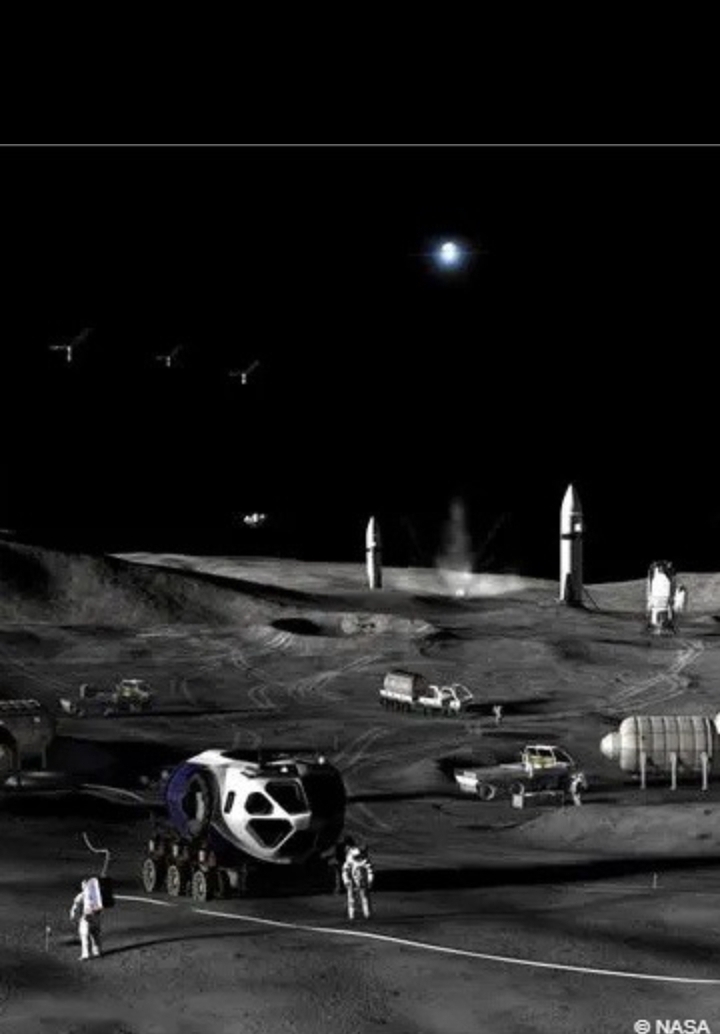
BREAKING NEWS: NASA Shifts Strategy, Plans Permanent Moon Base Amid Intensifying Global Space Race
In a bold and potentially historic shift in space exploration strategy, the NASA has announced plans to prioritize building a permanent base on the Moon’s surface, stepping away from earlier proposals for an orbiting lunar station. The announcement was made by newly appointed NASA Administrator Jared Isaacman, signaling a dramatic pivot in how the United States intends to establish a sustained human presence beyond Earth.
For years, NASA had been working alongside international partners on the Lunar Gateway, a small space station intended to orbit the Moon and serve as a staging point for missions to the lunar surface and beyond. However, Isaacman revealed that the agency now believes resources would be better invested in constructing a functional, long-term base directly on the Moon.
“This is about going further and staying longer,” Isaacman said during a press briefing. “We’re not just visiting the Moon—we’re preparing to live and work there.”
The decision comes at a time of renewed global competition in space exploration, often described as a modern-day “moon race.” Both China and Russia have ramped up their lunar ambitions, with joint missions and plans for a shared lunar research station already underway. Analysts say NASA’s pivot reflects a growing urgency to secure a strategic foothold on the Moon before rival nations do the same.
Unlike an orbiting station, a lunar surface base would allow astronauts to conduct more extensive scientific research, including studying the Moon’s geology, searching for water ice, and testing technologies needed for future missions to Mars. It could also serve as a hub for extracting and utilizing lunar resources—an idea that has gained traction in recent years as space agencies and private companies look toward in-situ resource utilization.
NASA’s broader Artemis program, which aims to return humans to the Moon for the first time since the Apollo era, will now play a central role in laying the groundwork for the base. The Artemis missions, beginning with crewed lunar landings, are expected to deliver the infrastructure and technology necessary to support long-term habitation.
“This isn’t just a change in architecture—it’s a change in vision,” said a senior NASA official familiar with the new plan. “We’re transitioning from short-term missions to permanent presence.”
The proposed lunar base is expected to be constructed in phases, beginning with robotic missions to scout suitable locations and deliver initial equipment. Early focus areas include the Moon’s south pole, where scientists believe there may be significant deposits of water ice in permanently shadowed craters. Water is a crucial resource—not only for sustaining human life but also for producing rocket fuel.
Private sector partners are also expected to play a key role in the project. Companies like SpaceX and Blue Origin have already been collaborating with NASA on lunar lander systems and cargo delivery. Their involvement could accelerate development timelines and reduce costs, though questions remain about funding and long-term sustainability.
Despite the excitement, the decision has sparked debate within the space community. Some experts argue that abandoning or scaling back the Lunar Gateway could strain international partnerships, particularly with agencies like the European Space Agency, which had committed resources to the orbital station.
Others, however, see the move as a necessary evolution.
“An orbiting station is useful, but it doesn’t give you the same capabilities as being on the surface,” said one space policy analyst. “If the goal is to truly explore and utilize the Moon, then a base makes more sense.”
Funding remains a significant challenge. Building a permanent lunar base will require sustained investment over many years, and NASA will need continued support from the U.S. government. The agency has not yet released a detailed budget or timeline for the project, but officials suggest that initial construction efforts could begin within the next decade.
The geopolitical implications are also significant. As nations compete for influence in space, establishing a presence on the Moon is increasingly seen as both a scientific and strategic priority. Control over key lunar regions—particularly those rich in resources—could shape the future of space exploration and even economic activity beyond Earth.
For now, NASA’s announcement marks a turning point. What was once the stuff of science fiction—a permanent human settlement on the Moon—is now being treated as a concrete objective.
As Isaacman put it, “The Moon is no longer just a destination. It’s the next frontier where humanity will build, innovate, and thrive.”
With rival powers accelerating their own plans and technology advancing at a rapid pace, the race to the Moon is not just back—it may be more consequential than ever before.

VIDEO: 22 Serena Williams’ private photos that dazzle everyone and got people talking

BREAKING NEWS: Donald Trump Warns Iran Deal May Be Too Late as Israeli Strike Kills Key Commander and Tensions Explode Around Strategic Strait of Hormuz, Raising Global Fears of Prolonged War and Energy Crisis

BREAKING NEWS: King Charles Praises UK-Nigeria “Partnership of Equals” During President Bola Tinubu’s Historic London Visit, Highlighting Deepening Trade, Cultural Ties, and Shared Vision for Collaboration, Signaling a New Era of Mutual Respect and Strategic Cooperation Between Both Nations

BREAKING NEWS: NASA Shocks World, Ditches Lunar Orbit Station to Build Permanent Moon Base, Racing Against China and Russia in High-Stakes Space Showdown That Could Redefine Humanity’s Future Beyond Earth Forever

BREAKING NEWS: Kim Jong Un Rolls Out Lavish Red Carpet for Alexander Lukashenko as Sanctioned Nations Strengthen Powerful New Alliance

BREAKING NEWS: Shocking Arson Attacks on Jewish Charity Ambulances Lead to Arrest of Two Suspects, Sparking Outrage and Fears Over Targeted Violence

🚨 BREAKING NEWS: Hakeem Jeffries Claims Americans Are Ready to Abandon MAGA — Sparks Fierce Political Showdown with Donald Trump Allies Nationwide

🚨 BREAKING NEWS: GLOBAL SHOCK AS ALLEGED PRIVATE PHOTOS OF Serena Williams SURFACE ONLINE — FANS LEFT STUNNED, QUESTIONS ERUPT WORLDWIDE 🚨

BREAKING NEWS: Seconds From Disaster—Stranger’s Powerful Hug Disarms Would-Be Bomber and Saves Dozens at Hospital Entrance in Unbelievable Moment of Courage and Compassion
NEWSFans Can’t Believe Their Eyes – Serena Williams’ Steamy Wet Bikini Photos Ignite Social Media – And It’s Not Just When She Removes Her Hands from Covering Her B**bs, but When An Unexpected Wet Spot Reveals her…

BREAKING NEWS: Serena Williams Stuns Fans Worldwide with Confident Beach Appearance as Viral Photos Spark Massive Reactions Across Social Media Platforms
