
CELEBRITY
BREAKING NEWS: Donald Trump Delays Iran Strike Decision by 10 Days as High-Stakes Talks with Iran Intensify Amid Global Tension and Uncertainty

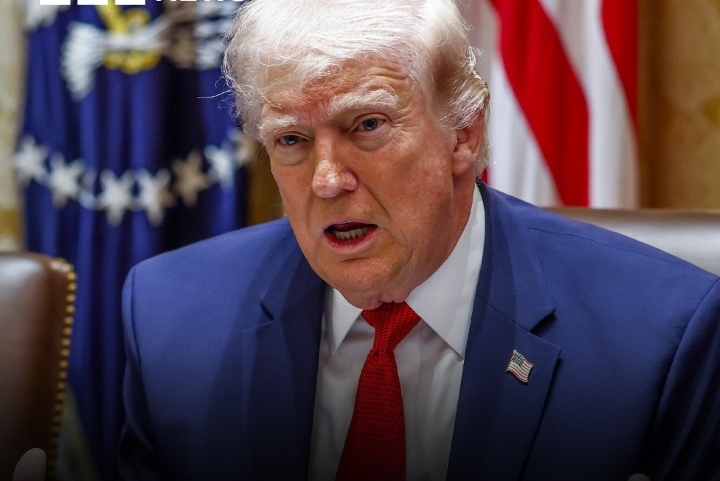
BREAKING NEWS: Trump Extends Deadline on Iran Strike Decision as High-Stakes Talks Intensify
In a dramatic turn of events, Donald Trump has announced a 10-day extension on a critical decision regarding potential strikes on Iranian power infrastructure, signaling that diplomatic negotiations are still underway and may yet prevent a dangerous escalation in tensions.
Speaking from the White House, Trump confirmed that while military options remain “fully on the table,” his administration is prioritizing dialogue with Iran in what he described as a “very delicate and serious moment.” The extension, originally expected to expire within days, now gives both sides additional time to navigate a complex web of geopolitical, economic, and security concerns.
“We are talking. Talks are ongoing,” Trump stated firmly. “We’ll see what happens over the next 10 days. A lot can change, and we want the best outcome for everyone involved.”
Rising Tensions and Strategic Calculations
The situation comes amid rising tensions between Washington and Tehran, fueled by ongoing disputes over nuclear development, regional influence, and economic sanctions. U.S. intelligence reports had suggested that Iran’s power grid infrastructure could be a potential target in response to alleged provocations, including cyber activities and military positioning in strategic regions.
However, Trump’s decision to delay any immediate action suggests a cautious approach—balancing military readiness with diplomatic opportunity. Analysts say the extension could be a sign that backchannel communications are making progress, even if publicly both sides maintain a firm stance.
“This is a high-stakes chess game,” said one international relations expert. “By extending the deadline, the U.S. is keeping pressure on Iran while also leaving the door open for a peaceful resolution.”
Global Reactions Pour In
World leaders have reacted swiftly to the announcement, with many urging restraint and supporting continued negotiations. European allies, in particular, have welcomed the pause, emphasizing the importance of diplomacy in avoiding a broader conflict in the Middle East.
The United Nations also issued a statement encouraging both nations to “exercise maximum restraint” and work toward de-escalation. Markets responded cautiously, with oil prices showing slight fluctuations as investors weigh the potential outcomes of the ongoing talks.
Meanwhile, citizens in both countries are watching developments closely. In Iran, state media has downplayed the threat while reaffirming the nation’s readiness to defend its sovereignty. In the United States, opinions remain divided, with some supporting a firm stance against Iran, while others fear the consequences of another military engagement in the region.
What’s at Stake
The potential targeting of Iranian power plants is not just a military decision—it carries significant humanitarian and economic implications. Experts warn that such strikes could disrupt essential services, affecting millions of civilians and potentially triggering a wider regional conflict.
At the same time, the U.S. administration argues that decisive action may be necessary to deter further escalation and protect its interests and allies in the region.
Trump’s leadership style—often characterized by bold moves and last-minute decisions—adds another layer of unpredictability to the situation. His willingness to both threaten force and pursue negotiations has kept allies and adversaries guessing.
The Next 10 Days
As the clock resets on this critical decision, all eyes are now on the next 10 days. Diplomatic channels are expected to remain active, with possible meetings involving intermediaries and international stakeholders.
Whether this extension leads to a breakthrough agreement or merely delays an inevitable confrontation remains uncertain. What is clear, however, is that the world stands at a pivotal moment—where decisions made in the coming days could shape the future of U.S.-Iran relations and regional stability for years to come.
For now, the message from Washington is one of cautious optimism mixed with firm resolve. As Trump put it, “We’re giving peace a chance—but we’re also prepared for anything.”
The countdown has begun.

BREAKING NEWS: Donald Trump Delays Iran Strike Decision by 10 Days as High-Stakes Talks with Iran Intensify Amid Global Tension and Uncertainty

BREAKING NEWS: Chaos on the Beach as Serena Williams Reportedly Engages in Shocking Showdown With Mystery Man, Leaving Onlookers Stunned and Social Media Erupting With Concern and Speculation

Breaking news: Look at 25 Serena Williams’ private photos that’s dazzled everyon including her fans

VIDEO: 22 Serena Williams’ private photos that dazzle everyone and got people talking

BREAKING NEWS: Donald Trump Warns Iran Deal May Be Too Late as Israeli Strike Kills Key Commander and Tensions Explode Around Strategic Strait of Hormuz, Raising Global Fears of Prolonged War and Energy Crisis

BREAKING NEWS: King Charles Praises UK-Nigeria “Partnership of Equals” During President Bola Tinubu’s Historic London Visit, Highlighting Deepening Trade, Cultural Ties, and Shared Vision for Collaboration, Signaling a New Era of Mutual Respect and Strategic Cooperation Between Both Nations

BREAKING NEWS: NASA Shocks World, Ditches Lunar Orbit Station to Build Permanent Moon Base, Racing Against China and Russia in High-Stakes Space Showdown That Could Redefine Humanity’s Future Beyond Earth Forever

BREAKING NEWS: Kim Jong Un Rolls Out Lavish Red Carpet for Alexander Lukashenko as Sanctioned Nations Strengthen Powerful New Alliance

BREAKING NEWS: Shocking Arson Attacks on Jewish Charity Ambulances Lead to Arrest of Two Suspects, Sparking Outrage and Fears Over Targeted Violence

🚨 BREAKING NEWS: Hakeem Jeffries Claims Americans Are Ready to Abandon MAGA — Sparks Fierce Political Showdown with Donald Trump Allies Nationwide

🚨 BREAKING NEWS: GLOBAL SHOCK AS ALLEGED PRIVATE PHOTOS OF Serena Williams SURFACE ONLINE — FANS LEFT STUNNED, QUESTIONS ERUPT WORLDWIDE 🚨
