
CELEBRITY
BREAKING NEWS: Donald Trump Warns Iran Deal May Be Too Late as Israeli Strike Kills Key Commander and Tensions Explode Around Strategic Strait of Hormuz, Raising Global Fears of Prolonged War and Energy Crisis

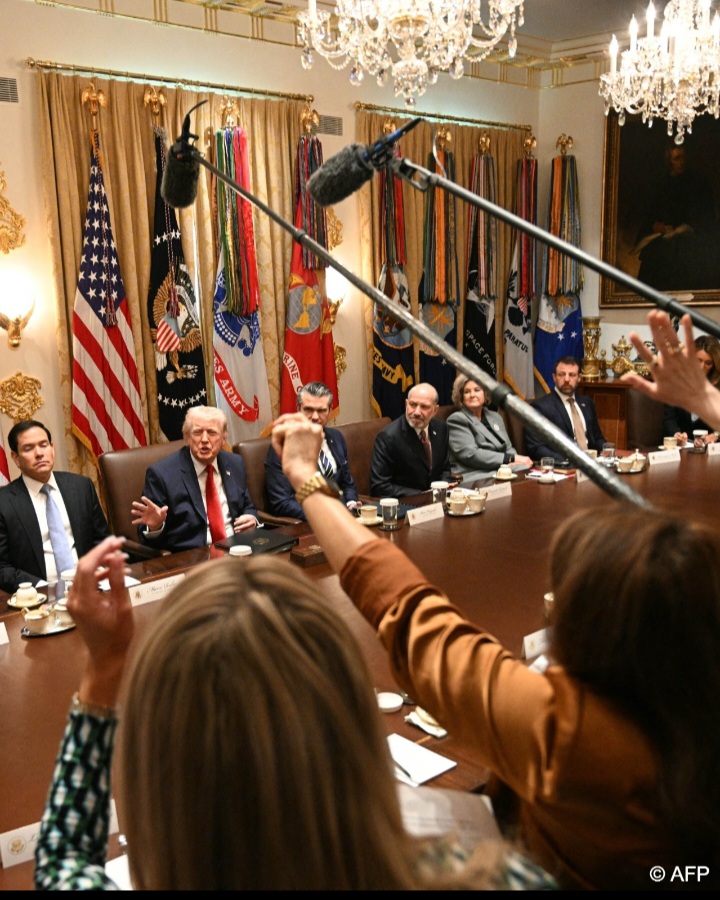
BREAKING NEWS: Trump Casts Doubt on Iran Peace Deal as War Escalates and Israeli Strike Kills Key Commander Amid Global Oil Crisis and Rising Tensions in Strait of Hormuz
The ongoing war involving the United States, Israel, and Iran has entered a dangerous new phase, as U.S. President Donald Trump openly questioned the chances of securing a peace deal with Tehran, warning that it may already be “too late” for diplomacy.
Speaking amid intensifying military operations, Trump signaled growing frustration with stalled negotiations, stating that while talks had been explored, the terms offered were “not good enough” and may no longer be viable. His remarks underscore a widening gap between Washington and Tehran, raising fears that the conflict could drag on with no clear resolution in sight.
The war, which began in late February 2026, has rapidly escalated into one of the most volatile geopolitical crises in recent years. Heavy airstrikes, missile attacks, and naval confrontations have reshaped the security landscape of the Middle East, with both sides showing little willingness to back down.
Israeli Strike Kills Key Iranian Commander
In a significant development, Israel announced that it had killed a top Iranian military figure believed to be central to Tehran’s control over the strategic Strait of Hormuz. The commander, a senior figure in Iran’s Islamic Revolutionary Guard Corps (IRGC), was reportedly responsible for overseeing naval operations that effectively restricted access to the vital waterway.
The targeted strike took place in the southern Iranian port city of Bandar Abbas, a critical hub for Iran’s naval forces. Analysts say the commander played a major role in developing Iran’s asymmetric maritime tactics, including the use of drones, fast attack boats, and missile systems designed to disrupt global shipping routes.
His death is being viewed by Israeli and U.S. officials as a strategic blow to Iran’s military capabilities. However, experts warn it could also provoke further retaliation, potentially escalating the conflict even more.
Strait of Hormuz at the Center of the Crisis
At the heart of the conflict lies the Strait of Hormuz, one of the world’s most critical النفط (oil) chokepoints. Roughly 20% of global oil and gas supplies pass through this narrow corridor, making its stability essential to the global economy.
Iran has effectively maintained a blockade of the strait, allowing limited passage for some vessels while restricting others, particularly those linked to the U.S. and its allies. This move has sent shockwaves through international markets, driving oil prices above $110 per barrel and fueling fears of a prolonged energy crisis.
The blockade has also disrupted global supply chains, leaving thousands of ships stranded and raising concerns about food and fuel shortages in several regions. Gulf nations and international powers have urged an immediate resolution, warning that continued instability could have devastating long-term consequences.
Diplomacy Faltering Amid Escalation
Despite Trump’s earlier claims that negotiations were progressing, there is little evidence of a breakthrough. Behind-the-scenes diplomatic efforts, including indirect talks through intermediaries, have so far failed to bridge deep divisions between the two sides.
Iran has reportedly demanded security guarantees, compensation, and recognition of its strategic interests in the region—conditions that Washington and its allies have been unwilling to fully accept. Meanwhile, Trump has extended deadlines for Iran to reopen the Strait of Hormuz, threatening further strikes on Iranian infrastructure if demands are not met.
The U.S. has also paused certain military actions temporarily to allow room for diplomacy, but the continued exchange of attacks suggests that neither side is ready to commit to a ceasefire.
Rising Human and Economic Costs
As the war continues, the humanitarian toll is mounting. Reports indicate that thousands have been killed, with millions displaced across affected areas. Cities in Iran have suffered heavy bombardment, while missile strikes have also targeted locations linked to U.S. and Israeli interests.
Beyond the battlefield, the economic fallout is being felt worldwide. Stock markets have dropped sharply, and energy prices have surged, placing additional strain on already fragile global economies.
In the United States, domestic pressure is growing on Trump to bring the conflict to an end. Public opinion polls suggest increasing dissatisfaction with the handling of the war, even as the administration insists that military objectives are being achieved.
What Comes Next?
With diplomacy faltering and military actions intensifying, the path forward remains highly uncertain. Trump has hinted at the possibility of continuing the campaign until U.S. objectives are fully met, while also leaving the door open—though narrowly—for renewed negotiations.
However, analysts warn that time may be running out for a peaceful resolution. Each new strike, including the killing of high-ranking commanders, risks deepening hostilities and making compromise even more difficult.
As the world watches closely, the stakes could not be higher. The conflict not only threatens regional stability but also carries the potential to reshape global energy markets, international alliances, and the broader geopolitical order for years to come.

VIDEO: 22 Serena Williams’ private photos that dazzle everyone and got people talking

BREAKING NEWS: Donald Trump Warns Iran Deal May Be Too Late as Israeli Strike Kills Key Commander and Tensions Explode Around Strategic Strait of Hormuz, Raising Global Fears of Prolonged War and Energy Crisis

BREAKING NEWS: King Charles Praises UK-Nigeria “Partnership of Equals” During President Bola Tinubu’s Historic London Visit, Highlighting Deepening Trade, Cultural Ties, and Shared Vision for Collaboration, Signaling a New Era of Mutual Respect and Strategic Cooperation Between Both Nations

BREAKING NEWS: NASA Shocks World, Ditches Lunar Orbit Station to Build Permanent Moon Base, Racing Against China and Russia in High-Stakes Space Showdown That Could Redefine Humanity’s Future Beyond Earth Forever

BREAKING NEWS: Kim Jong Un Rolls Out Lavish Red Carpet for Alexander Lukashenko as Sanctioned Nations Strengthen Powerful New Alliance

BREAKING NEWS: Shocking Arson Attacks on Jewish Charity Ambulances Lead to Arrest of Two Suspects, Sparking Outrage and Fears Over Targeted Violence

🚨 BREAKING NEWS: Hakeem Jeffries Claims Americans Are Ready to Abandon MAGA — Sparks Fierce Political Showdown with Donald Trump Allies Nationwide

🚨 BREAKING NEWS: GLOBAL SHOCK AS ALLEGED PRIVATE PHOTOS OF Serena Williams SURFACE ONLINE — FANS LEFT STUNNED, QUESTIONS ERUPT WORLDWIDE 🚨

BREAKING NEWS: Seconds From Disaster—Stranger’s Powerful Hug Disarms Would-Be Bomber and Saves Dozens at Hospital Entrance in Unbelievable Moment of Courage and Compassion
NEWSFans Can’t Believe Their Eyes – Serena Williams’ Steamy Wet Bikini Photos Ignite Social Media – And It’s Not Just When She Removes Her Hands from Covering Her B**bs, but When An Unexpected Wet Spot Reveals her…

BREAKING NEWS: Serena Williams Stuns Fans Worldwide with Confident Beach Appearance as Viral Photos Spark Massive Reactions Across Social Media Platforms
