
CELEBRITY
BREAKING NEWS U.S. and Iran move toward indirect nuclear talks in Geneva as President Donald Trump warns of possible military action, tightens sanctions, and signals diplomacy remains his first option amid rising Middle East tensions and global leaders watch closely

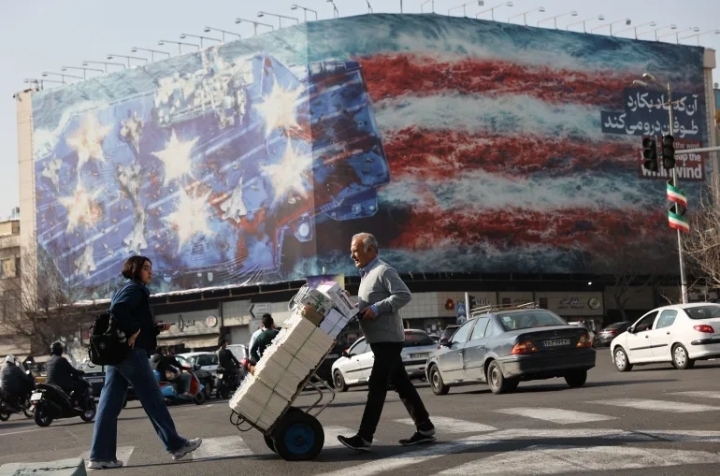
Tensions between the United States and Iran have entered a delicate new phase as both sides prepare for indirect nuclear talks in Geneva, even as President Donald Trump maintains a hard-line posture that includes fresh sanctions and pointed warnings of possible military action if diplomacy fails.
According to officials familiar with the process, the talks are expected to be conducted through intermediaries, reflecting years of mistrust and the absence of direct diplomatic engagement. The goal is to explore pathways to curb Iran’s nuclear activities while addressing U.S. security concerns in the Middle East. While no formal agenda has been released, sources say the discussions will likely center on enrichment limits, inspection mechanisms, and sanctions relief frameworks.
The White House has emphasized that diplomacy remains Trump’s “first option,” a message the president reinforced in recent public remarks. At the same time, the administration has approved additional economic sanctions targeting Iranian entities accused of supporting regional militias and advancing sensitive nuclear technology. The dual approach—pressure paired with talks—mirrors Trump’s broader foreign policy strategy of negotiating from a position of strength.
Iranian officials, for their part, have signaled cautious openness to dialogue while condemning the latest sanctions as “provocative.” Tehran insists its nuclear program is for peaceful purposes and argues that punitive measures undermine trust. Nevertheless, Iranian diplomats have indicated a willingness to show “flexibility” if talks lead to tangible economic relief and respect for national sovereignty.
The choice of Geneva as a venue is significant. The Swiss city has long served as neutral ground for high-stakes diplomacy, hosting landmark negotiations during the Cold War and more recent nuclear discussions. Observers say the setting underscores a shared interest in avoiding escalation, even as rhetoric on both sides remains sharp.
Regionally, allies and adversaries are watching closely. Israel has reiterated its stance that Iran must never be allowed to acquire nuclear weapons and has urged Washington to maintain firm red lines. Gulf states, meanwhile, are calling for de-escalation, warning that any conflict would have severe consequences for energy markets and regional stability.
Inside the United States, reactions are divided. Supporters of the president argue that renewed pressure is necessary after what they describe as years of insufficient enforcement. Critics counter that escalating sanctions alongside military threats risks miscalculation and could derail diplomacy before it gains traction. Lawmakers from both parties have called for regular briefings as talks unfold.
International analysts note that the current moment is shaped by multiple pressures: economic strain within Iran, shifting global alliances, and a volatile security environment marked by proxy conflicts. “This is a narrow window,” said one European diplomat. “If both sides can show restraint and pragmatism, there is a chance to stabilize the situation. If not, tensions could spiral quickly.”
Despite the uncertainty, the very prospect of talks has injected cautious optimism into diplomatic circles. Markets have reacted modestly, reflecting hopes that negotiations could reduce the risk of confrontation that would disrupt oil supplies. Still, expectations remain tempered by the long history of failed attempts and abrupt breakdowns.
As preparations continue, the administration insists it will judge Iran by actions, not words. The president has made clear that while he prefers a negotiated outcome, all options remain available to protect U.S. interests and allies. Iran, meanwhile, faces a choice between engagement that could ease economic pressure or continued defiance that risks deeper isolation.
The coming days in Geneva may not produce a breakthrough, but they could set the tone for what follows. Whether this moment becomes a stepping stone toward renewed agreements or another chapter in a cycle of confrontation will depend on how both sides balance pressure with compromise in one of the world’s most consequential diplomatic standoffs.

BREAKING NEWS U.S. and Iran move toward indirect nuclear talks in Geneva as President Donald Trump warns of possible military action, tightens sanctions, and signals diplomacy remains his first option amid rising Middle East tensions and global leaders watch closely

BREAKING NEWS: Serena Williams Sparks Social Media Buzz After Sharing Natural, Filter-Free Vacation Photos, Celebrating Confidence, Self-Love, and Life Beyond Tennis as Fans Praise Her Radiance, Authenticity, and Powerful Message in a World Obsessed With Perfection

CELEBRITYInternet Meltdown: Unverified Serena Williams OnlyFans Content Sends Social Media Into Chaos…

Breaking News: In a stunning display, Serena Williams returns to tennis with unmatched confidence and power. She dominates the court, commanding every match with her signature poise.

BREAKING NEWS: Taylor Swift and Travis Kelce’s Relationship Shaken by Explosive New Tensions After Kayla Nicole’s Scathing Public Comments—Is Their Marriage Hanging by a Thread or Just a Bump in the Road?

BREAKING NEWS Serena Williams shocks the internet after stepping out in an ultra-revealing outfit, igniting fierce debate, viral reactions, and headlines as fans argue fashion freedom versus public shock worldwide.

BREAKING NEWS Taylor Swift storms the Billboard Hot 100 again as Opalite debuts at number one, giving the pop icon her historic 14th chart-topper. The record-breaking hit cements Swift’s global dominance, fuels fan frenzy worldwide, and proves her era-defining reign continues stronger than ever in modern music history today now.

BREAKING NEWS: Donald Trump falsely claims that Democratic voters receive “seven ballots” in an effort to push for stricter mail‑in voting restrictions. Election experts and critics denounce the statement as misleading, warning it fuels misinformation and undermines public trust in the electoral process nationwide.

BREAKING NEWS: Donald Trump is prioritizing diplomacy as his first approach toward Iran, according to the White House, while maintaining military options as a contingency. Officials say the administration seeks negotiation and de-escalation, even as regional tensions remain high and international scrutiny intensifies over U.S. policy.

BREAKING NEWS: Donald Trump is increasingly viewed by most Americans as growing more erratic with age, according to a new national poll, highlighting rising concerns about leadership style, decision-making, and stability as political divisions deepen and debates intensify over his fitness to govern.

BREAKING NEWS: Donald Trump is set to deliver the first State of the Union address of his second term, outlining priorities on the economy, immigration, and foreign policy, as a divided Congress and nation watch closely for signals shaping governance, unity, and political battles ahead this year and global reactions.
